How to Manage a Cricket League Like a Professional Organizer

Running a cricket league sounds exciting. Players gather, matches begin, and the crowd enjoys every ball. But behind every successful league there is careful planning. From scheduling matches to tracking scores, cricket league management requires organization, patience, and the right tools.
Many league organizers start with a passion for the sport. But once teams register and matches begin, the workload grows quickly. Fixtures must be prepared. Results need to be recorded. Players want statistics. Sponsors expect visibility.
The leagues that succeed are not just passionate about cricket. They are structured. They plan early and rely on technology to stay organized.
This guide explains how to manage a cricket league like a professional organizer.
Why Cricket League Management Matters
A cricket league is more than matches on a ground. It involves coordination between players, teams, umpires, sponsors, and fans.
When management is poor, problems appear quickly:
- Fixtures change at the last moment
- Scores are recorded incorrectly
- Teams argue about rules
- Fans lose interest
Professional cricket event management software or a cricket league management platform can prevent these problems.
Step 1: Plan the League Structure Early

The first step in professional cricket league management is deciding the structure of the tournament.
Ask these questions early:
- How many teams will participate?
- Will the league use a round-robin or knockout format?
- How many matches will each team play?
- How long will the tournament run?
Short formats like T20 often work best for community tournaments because they allow more matches within a limited time.
A clear structure prevents confusion later. Players and team owners know what to expect before the tournament begins.
Step 2: Create Clear Rules and Regulations
Every successful cricket league has clear rules.
These rules should cover:
- Player registration
- Match timing and overs format
- Points system for wins and losses
- Tie-breaking methods
- Code of conduct for players
Leagues without written rules often face disputes during crucial matches. A simple rulebook helps avoid unnecessary arguments.
Professional organizers also share these rules with all teams before the tournament begins.
Step 3: Manage Team Registrations Smoothly
Use the team-registration guide for owners and the player-registration guide for the auction pool.

Team registration can become chaotic if handled manually. Players submit forms. Fees need to be tracked. Team details must be recorded.
A cricket league management app makes this process easier.
Using an app or platform allows organizers to:
- Register teams online
- Store player profiles
- Track entry fees
- Maintain team lists automatically
Online registration saves substantial time of manual work during the early stages of the tournament.
Step 4: Plan Fixtures Without Confusion
Scheduling matches is one of the most challenging parts of cricket league management.
Fixtures must consider:
- Ground availability
- Team availability
- Rest days for players
- Weather conditions
Professional organizers create match schedules well in advance and publish them online.
Players appreciated one simple thing. They wanted to know their match dates early. A clear schedule builds trust among teams.
Step 5: Keep Accurate Match Records
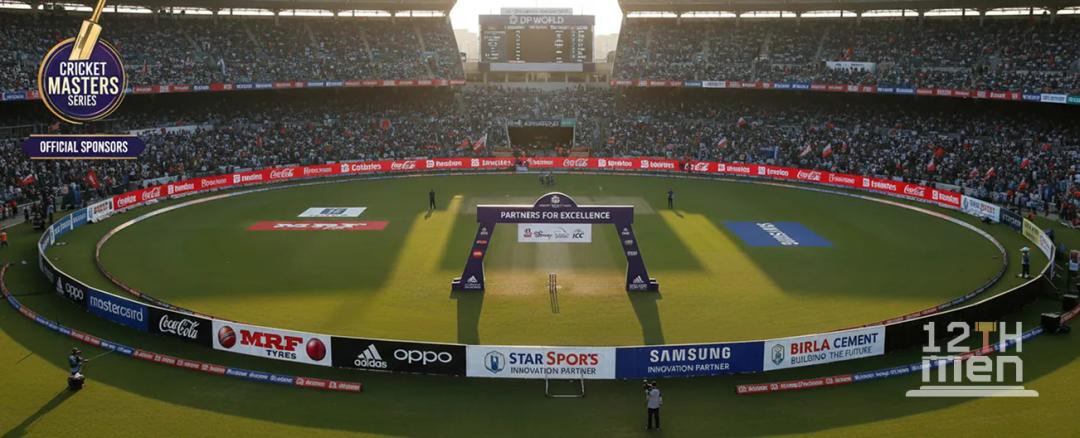
Scorekeeping is essential for any league.
Every match generates important data:
- Runs scored
- Wickets taken
- Strike rates
- Team standings
Without proper record keeping, the credibility of the league suffers.
A cricket league management platform can track all match statistics automatically. Fans can also view live updates and player performance.

Step 6: Communicate With Teams and Players
Communication keeps the league running smoothly.
Organizers must stay in touch with teams about:
- Match schedules
- Venue updates
- Weather delays
- Rule announcements
In many leagues, organizers use WhatsApp groups or send mobile notifications through a cricket league management app.
Step 7: Promote the League to Build Audience Interest
Even local cricket leagues can attract strong audiences if promoted well.
Promotion can include:
- Social media match updates
- Player highlights
- Match posters
- Sponsor announcements
Consistent promotion turns a local tournament into a community event people look forward to.
Step 8: Manage Sponsors and Partnerships
Sponsors are an important part of many cricket leagues. They support the tournament financially and expect visibility in return.
Organizers should plan sponsor placements carefully.
Examples include:
- Sponsor logos on match banners
- Branding on scoreboards
- Social media mentions
- Player awards sponsored by brands
Professional cricket league management keeps sponsor relationships organized and transparent.
Step 9: Use Technology to Simplify Operations

Manual management works for small tournaments. But once a league grows, technology becomes essential.
This is where cricket event management software helps organizers handle everything from one place.
These platforms usually offer:
- Online team registration
- Automated fixture generation
- Live score updates
- Player statistics tracking
- Points table management
Technology reduces manual work and allows organizers to focus on the experience of players and fans.
Why The 12th Men Is a Smart Choice for League Organizers
Many organizers look for tools that make league operations simple. One platform that stands out is The 12th Men.
The platform focuses on helping leagues run smoothly while keeping fans engaged.
Some helpful features include:
- Easy team and player registration
- Match scheduling tools
- Real-time scoring updates
- Player statistics tracking
- Tournament leaderboard management
Organizers prefer systems that reduce manual effort. The 12th Men offers exactly that.
Many local organizers rely on such platforms to bring structure and professionalism to their tournaments.
Common Mistakes New League Organizers Make
Even passionate organizers can face challenges during their first tournament.
Here are common mistakes to avoid:
- Not planning the schedule early
- Recording match results manually without backups
- Poor communication with teams
- Lack of clear rules
- Ignoring fan engagement
The leagues that avoid these issues quickly earn a reputation for being well organized.
Final Thoughts
Managing a cricket league is exciting but demanding. It requires planning, communication, and attention to detail.
Professional cricket league management focuses on three things:
- A clear structure for the tournament
- Accurate match and player records
- Strong communication with teams and fans
Technology now makes this process easier. A reliable cricket league management app or cricket league management platform allows organizers to focus on the sport while the system handles the details.
When leagues combine a passion for cricket with proper organization, the result is a tournament players and fans look forward to every season.
Use match scheduling and scoring to keep league fixtures, results, and standings connected.
Related Reading
- How to Choose Cricket Tournament Management Software
- 10 Must-Have Tools for Running Cricket Leagues in 2026
- 10 Must-Have Tools for Running Cricket Leagues in 2026
Sources and methodology
Examples involving team sizes, scores, schedules, budgets, or workflows are illustrative planning scenarios unless a source is cited. Organizers should also check their governing body's current rules and local requirements.
Continue with The 12th Men
Read next: 10 Must-Have Tools for Running Cricket Leagues in 2026
Need help setting up your event? Your whole event set up for you: registration form, payments, auction, fixtures and scoring.

Related Articles
Cricket
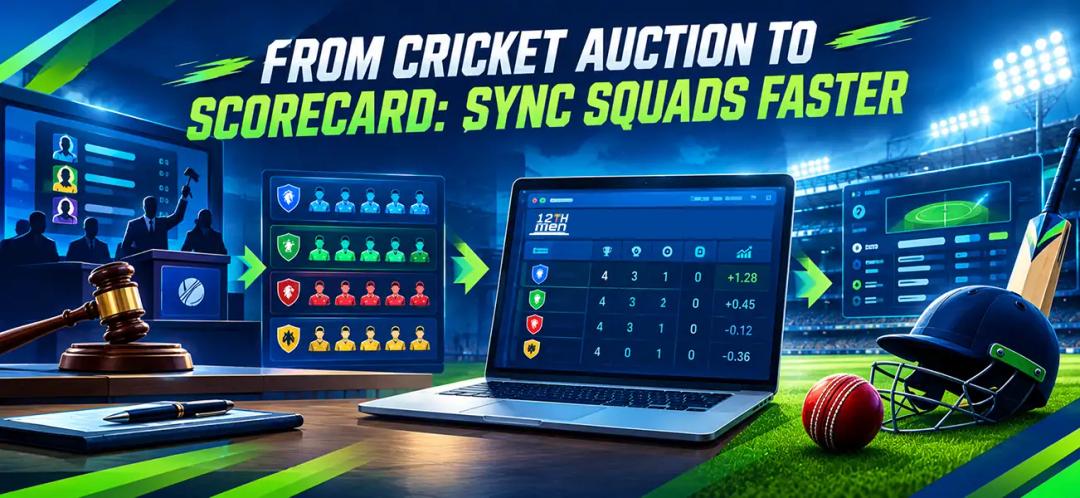
From Cricket Auction to Scorecard: Sync Squads Faster
Carry approved auction squads into tournament fixtures and scorecards without retyping players. Learn how to verify identities, team branding, match selections and standings before the opening fixture.
Read More > Yug Shah|Oct 29, 2026|
Cricket
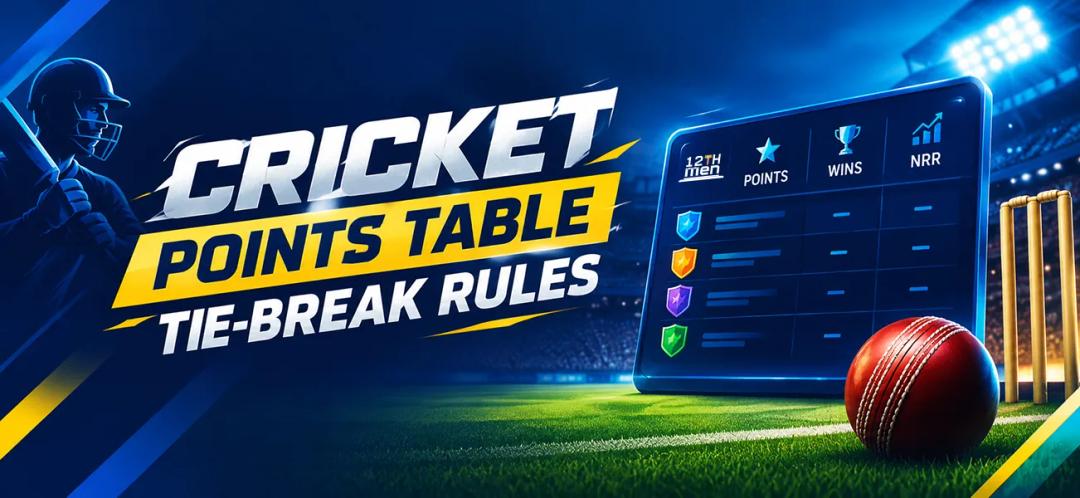
Cricket Points Table Tie-Break Rules: Scoring Guide
Prevent qualification disputes by publishing the tie-break chain early. This guide explains how points, wins, net run rate, head-to-head results and other approved criteria should be ordered and applied consistently.
Read More >Yug Shah|Oct 27, 2026|