How to Organize a Cricket Tournament Like a Pro
Table of contents
Organizing a cricket tournament is not a simple checklist you tick off in one sitting. You’re creating an experience - for players who’ve trained for hours, for spectators who arrive with passion, for referees, sponsors, volunteers, groundskeepers, and teams. Every piece matters. A missing schedule, a late fixture announcement, or a scoring blunder can ripple outward, altering how your event feels and functions. What follows is a blueprint informed by real challenges that organizers face, logic gleaned from existing guides, and practical tactics you can apply - whether you’re managing a small club competition or launching a regional T20 event. In each section, you’ll see actionable steps for cricket tournament management and, where relevant, how The 12th Men helps simplify those tasks.
1. Clarify Your Vision Before Anything Else
Before you book a ground, ask yourself two questions: What kind of tournament am I planning? and Who am I planning it for? Your answers shape everything else. Are you hosting:
- A friendly weekend league?
- A serious competitive series?
- A school-level caravan of games over a month?
- A corporate cricket carnival?
Each variation has its own constraints - time, budget, audience expectations, number of teams, prize structure, and even broadcast needs. Once you define your purpose, you’ll have a better sense of the teams you’ll attract, the facilities you’ll need, and the level of formality necessary for schedules and rules.
2. Choose Formats That Match Your Audience
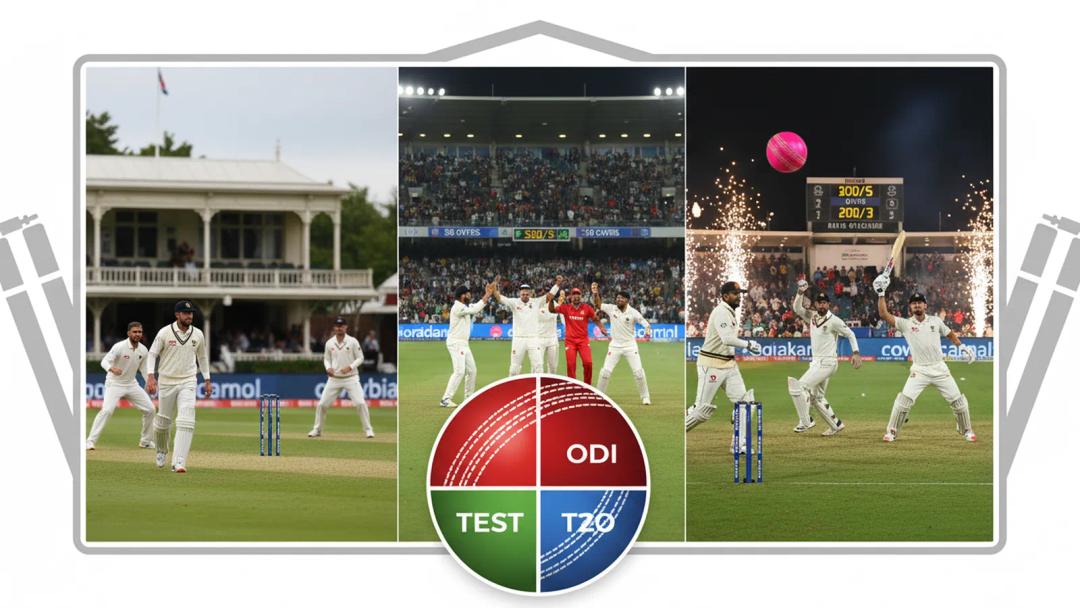
Cricket is sprawling in its formats. You can choose:
- T20 tournaments - shorter, faster matches that pack excitement into three hours or less.
- One-day matches - 50 overs per side, ideal for traditionalists.
- T10 games - ten overs per side for festivals or jam-packed weekends.
Internationally, formats like T20 have exploded because they balance brevity with excitement. The Indian Premier League (IPL), for example, draws massive viewership and revenue, making T20 one of the most valuable formats globally. In 2023, IPL sold rights worth an estimated $6.4 billion for 2023–2027, showing how commercial interest can anchor a tournament’s structure in importance and scale. Even outside professional levels, keeping matches short means more games in less time, less fatigue and better scheduling.
3. Define Clear Rules, Schedules, and Formats
Without a defined schedule, chaos sneaks in. Your participants should know:
- Match timings and length
- Scoring rules
- Tie-breaker procedures
- Registration deadlines
- Penalties for forfeits
- Age, eligibility, and team composition rules
You also need a structure. Common approaches include:
- Round Robin: Every team plays each other
- Knockouts: Winner advances, loser exits
- Group + Knockouts: Pools with cross-play leading to elimination rounds
Each carries trade-offs. Round robin gives everyone more action, but takes longer. Knockouts are quick but narrow your engagement window. With complex schedules, The 12th Men platform shines. It generates fixtures, tracks match progress, and updates leaderboards in real time - all visible to players and fans. That removes a huge logistical burden.
4. Registration and Communication Systems
Set up team registration and player registration before sending the tournament links to clubs and players.
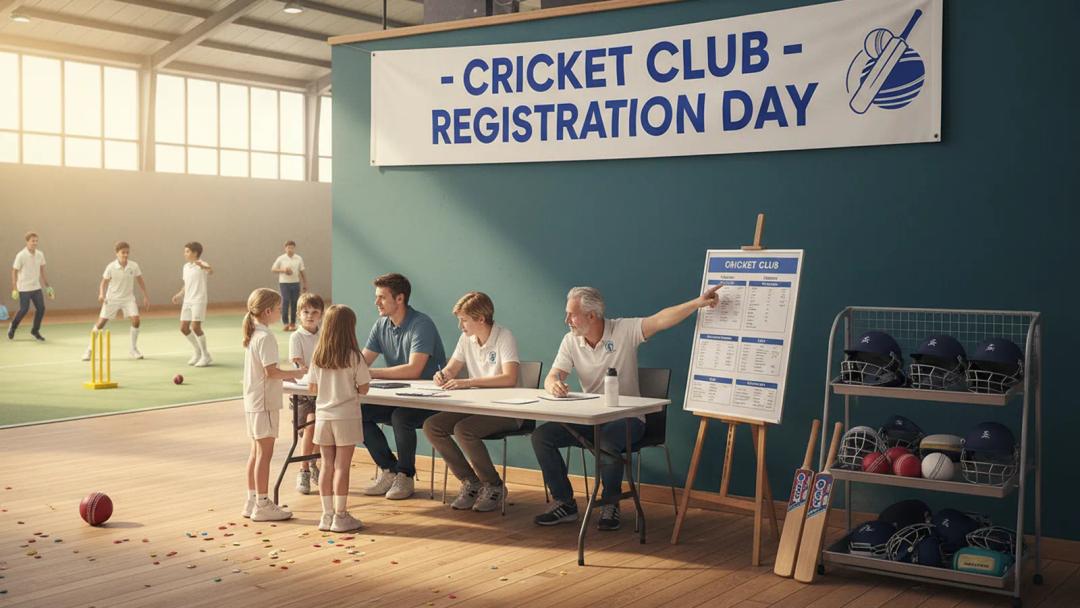
This is where you gather the heartbeat of your tournament: the teams and players. Your registration system should be:
- Simple to use
- Accessible on mobile devices
- Secure for payments (if you’re charging fees)
- Integrated with team and player profiles
A scattered registration process builds confusion. Teams should receive confirmation, schedules, and updates without waiting for manual emails. The 12th Men supports registration flow with team profiles and roster uploads, making it easier for you and your teams to stay connected and informed. Live updates can be pushed instantly, reducing delays. Communication is not optional - it’s a lifeline. Once teams register, send regular reminders and updates about fixtures, points tables, weather adjustments, rule changes, or venue shifts.
5. Venue Selection: More Than a Patch of Grass
Choosing a ground is more complex than finding a good pitch. You’re balancing practicality, access, and comfort. Key considerations for venues:
- Pitch quality and maintenance: A poorly prepared pitch can make bowlers dominate or unfairly disadvantage batters.
- Access: players and spectators should reach the venue easily by road or public transportation.
- Amenities: restrooms, shade, seating space, refreshments, and medical support.
- Safety equipment: nets, boundary ropes, crowd control barriers, and emergency exits.
When matches involve different formats (T10/T20/ODI), ground managers need to agree on match durations and buffer times - things that matter when you have a tight schedule. Security is not a secondary detail. For large gatherings, international frameworks for cricket event safety emphasize strategic planning, a risk register, and trained personnel to anticipate issues with crowds, teams, officials, and equipment.

6. Budgeting: Anticipate Costs, Not Guess Them

Your budget will affect every decision - from registrations to referees. Estimate costs for:
- Ground booking
- Umpires and officials
- Equipment and balls
- Trophies and medals
- First-aid and security
- Marketing and promotion
- Online scoring systems
Having a buffer is important. Unexpected expenses come up when you least expect them - late gear orders, weather backup plans, unplanned overtime, or transport needs. Registration fees should cover costs where possible. If you’re targeting higher stakes, offer sponsorship tiers with brand visibility on scorecards, banners, and online listings.
7. Marketing and Audience Engagement
Even local tournaments benefit hugely from a strong promotional plan. Your audience is not just participants - it’s fans, local communities, teams’ families, and potential sponsors. Useful tactics include:
- Social media event pages
- Custom hashtags
- Local partnerships with media outlets
- Flyers and posters at sports shops, clubs, and schools
- Livestream links and real-time scoring
Fans love real-time data. Broadcasting scores, leaderboards, and key player stats - even for club cricket - keeps interest high. Platforms that automate scoring and streaming like The 12th Men can increase engagement and make your tournament feel bigger than it is.
8. Scorekeeping: Let Technology Do the Heavy Lifting
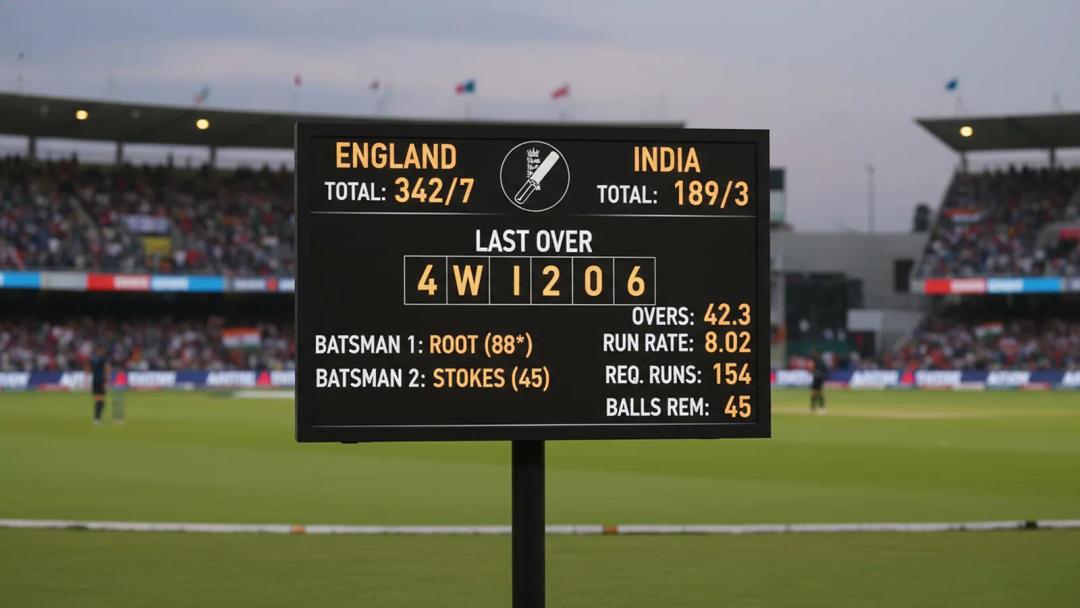
Traditional paper scorecards have their charm, but they’re prone to human error. Modern scoring tools:
- Record runs, wickets, overs automatically
- Update leaderboards instantly
- Share results with teams and fans in real time
- Connect with livestreaming services for wider reach
Apps and platforms now include ball-by-ball analytics, player performance data, and downloadable stats. Gone are the days when a missing scorecard meant lost data. Tournament apps can also export fixtures and results, so teams always know exactly where they stand. With The 12th Men’s scoring interface, organizers and scorers receive intuitive dashboards and automated leaderboards. That means less stress for umpires and smoother experiences for everyone involved.
9. Match Day Logistics and Operations
On game day itself, minutiae can determine whether your tournament feels polished or chaotic. Checklist for match days:
- Ground setup crew assigned early
- Umpires checked in
- Water, food, and first-aid stations ready
- Power and internet access confirmed
- Volunteer briefings before kickoff
- Announcers or scorekeepers confirmed
- Reserve equipment on standby
Remember: every minute counts. Delays snowball quickly if a match starts late or equipment is unavailable. Have a plan B for weather interruptions, player injuries, and unexpected team arrivals.
10. After The Tournament: Feedback and Review

Some organizers skip this, but it’s where real learning happens. After the final match:
- Circulate feedback forms
- Ask teams about scheduling, communication, and fairness
- Ask spectators what they enjoyed or didn’t
- Review your budget vs actuals
- Archive data (scores, attendance, media)
This isn’t just reflection - it’s groundwork for your next event. Collecting feedback can improve future planning and help you better tailor your tournaments to the audience.
Why The 12th Men Is a Smart Choice
Organizers need tools that match their ambition without creating new headaches. The 12th Men isn’t just another platform - it’s a central hub for cricket tournament management that supports top-to-bottom operations:
- Live scoring and fixtures that update in real time
- Team registration workflows
- Match analytics and player stats
- Public leaderboards and engagement tools
- Easy access for players, managers, and fans
These features do more than reduce manual workload. They give you space to think strategically, tackle unexpected issues, and keep your focus on what matters most: making the tournament memorable for athletes and spectators alike.
Final Thoughts
Running a cricket tournament is a test - of patience, logistics, and adaptation. But it need not be trial by fire. By planning events methodically, using systems that handle complexity, and centering communication with your participants, you’ll stand out in a crowded sports space. Approach each step with a mix of foresight and flexibility. Build systems that catch errors early. Lean on tools like The 12th Men that are designed for cricket organizers. When teams arrive and the first ball is bowled, you’ll know that everything behind the scenes is working as it should. Your tournament can be not just well-run, but talked about long after the last match ends.
Use match scheduling and scoring to coordinate fixtures, scorecards, results, and standings.
Sources and methodology
Examples involving team sizes, scores, schedules, budgets, or workflows are illustrative planning scenarios unless a source is cited. Organizers should also check their governing body's current rules and local requirements.
Continue with The 12th Men
Read next: Cricket Player Registration Software: Complete Guide
Need help setting up your event? Your whole event set up for you: registration form, payments, auction, fixtures and scoring.

Related Articles
Cricket
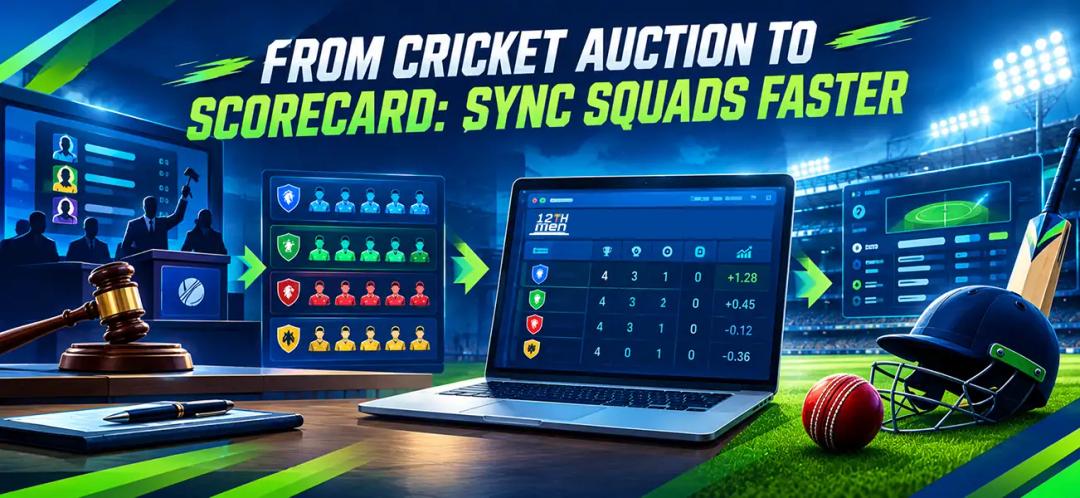
From Cricket Auction to Scorecard: Sync Squads Faster
Carry approved auction squads into tournament fixtures and scorecards without retyping players. Learn how to verify identities, team branding, match selections and standings before the opening fixture.
Read More > Yug Shah|Oct 29, 2026|

Cricket
Cricket Points Table Tie-Break Rules: Scoring Guide
Prevent qualification disputes by publishing the tie-break chain early. This guide explains how points, wins, net run rate, head-to-head results and other approved criteria should be ordered and applied consistently.
Read More >Yug Shah|Oct 27, 2026|